Complete training for obtaining a car license. Personalized learning with experienced instructors.
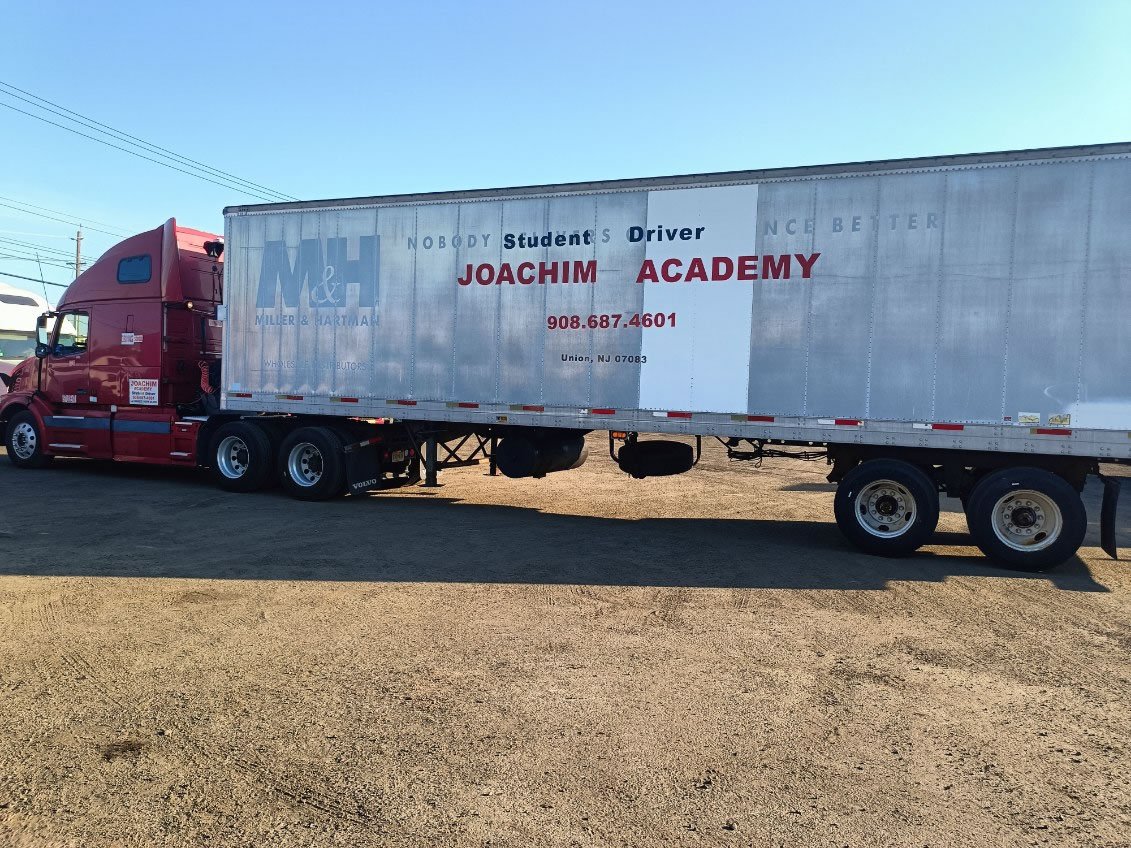
Learn to drive trucks with our expert instructors. Ready to hit the open road?
AAC from age 15. Gain driving experience before taking your test in a secure framework.
Failed your test? Our intensive courses will prepare you effectively for your next attempt.
Meet our dedicated instructors who bring years of experience and a passion for teaching safe driving to every student.
Learn More AboutHear from our students and graduates about their experiences at Joachim Driving School and how our training helped them become confident drivers.
Read TestimonialsDiscover the unique services and benefits that make our driving school stand out, from expert instructors to personalized training programs.
See DetailsChoose from flexible packages including teen programs, adult lessons, and CDL training to match your driving goals.
How It HappensAt Joachim Trucking Inc., we are more than just a training academy; we are a dedicated partner in your journey toward a successful career in transportation. With years of experience and a commitment to excellence, we work alongside our students every step of the way, from training to licensing and beyond. Our reputation is built on trust, integrity, and results, ensuring that when you choose Joachim Trucking Inc., you choose a reliable partner invested in your success. Whether you’re new to the industry or looking to enhance your skills, we’re here to support your goals with expertise and personalized guidance.
At Joachim Driving School, our mission is to make learning to drive simple, stress-free, and effective. With over 25 years of experience, we’ve built a reputation for excellence and trust across Maryland.
Our certified instructors are patient, professional, and committed to giving every student the skills and confidence needed to succeed both on the road and during the driving test.
Whether you are a first-time driver or transferring from another school, you’ll find flexible schedules, personalized training, and a supportive environment that puts your success first.
We understand that every student has unique responsibilities. That’s why Joachim Driving School offers flexible scheduling options to fit your lifestyle.
Whether you’re a high school student, a working adult, or balancing family commitments, our instructors work with you to create a personalized lesson plan.
Morning, afternoon, and weekend lessons are available, making it easier than ever to complete your driver training without stress.
Our hands-on training program is designed to prepare students for real-world driving. From parking to highway driving, every lesson is carefully structured to build skill and confidence.
We welcome new drivers with no prior experience, offering step-by-step guidance in a calm and professional learning environment.
With flexible scheduling and personalized feedback, Joachim Driving School ensures that every student is fully prepared to become a safe and responsible driver.
At Joachim Driving School, Segment II is designed to strengthen safe driving habits, improve road awareness, and build essential skills for confident and responsible driving. Key topics covered include:
Teen drivers are among the most vulnerable groups on the road due to their limited experience and developing decision-making skills. According to national statistics, crash rates for drivers aged 16–19 are significantly higher compared to older age groups. Factors such as overconfidence, risk-taking behaviors, and lack of exposure to diverse driving conditions contribute to these elevated numbers.
One of the leading causes of teen accidents is speeding. Young drivers often underestimate the danger of traveling at high speeds, especially when combined with adverse weather or heavy traffic. Failure to recognize stopping distances and delayed reaction times can quickly turn a minor error into a serious collision.
Another major risk is impaired driving. While alcohol use among teens has decreased over time, impaired judgment caused by drugs, alcohol, or even fatigue still contributes to a large portion of crashes. Teens are less likely than adults to recognize when they are too impaired to drive safely.
Additionally, lack of seat belt use is a recurring issue. Studies show that teens are less likely to buckle up compared to older drivers, despite seat belts being one of the most effective safety measures. These statistics highlight why education and awareness are critical for reducing teen crash rates.
Defensive driving is about anticipating hazards before they occur and adjusting behavior to minimize risks. For teens, this skill set is especially important because it compensates for their inexperience. By learning to stay alert and expect the unexpected, young drivers can reduce the likelihood of accidents.
One of the core principles is maintaining a safe following distance. The “three-second rule” gives drivers enough time to react if the car in front stops suddenly. In poor weather or heavy traffic, increasing this distance becomes even more important.
Another essential technique is scanning the road continuously. Rather than focusing only on the car directly ahead, defensive drivers keep their eyes moving, checking mirrors, intersections, and blind spots. This habit helps them notice potential problems early, such as pedestrians crossing or vehicles merging unexpectedly.
Finally, managing speed appropriately is crucial. Defensive drivers know when to slow down—such as in construction zones, near schools, or during poor weather conditions. This approach doesn’t just prevent crashes; it creates a mindset of responsibility and awareness that teens can carry throughout their driving lives.
Safe driving also depends on keeping a vehicle in good working condition. Even the best driving skills cannot prevent accidents caused by mechanical failure. Teaching teens the importance of regular maintenance builds responsibility and ensures their safety on the road.
Basic checks such as monitoring tire pressure and tread depth are critical. Worn or underinflated tires reduce traction and increase the risk of blowouts, especially at high speeds. Teens should also learn how to check for proper tire rotation and alignment.
Equally important are fluid levels, including engine oil, brake fluid, coolant, and windshield washer fluid. Neglecting these can lead to overheating, brake failure, or reduced visibility—situations that can easily result in accidents if not addressed.
Regular inspections of brakes, lights, and windshield wipers should also be emphasized. Simple habits like scheduling oil changes, keeping the fuel tank from running too low, and addressing dashboard warning lights promptly help prevent breakdowns and prolong the life of the vehicle.
Peers can strongly influence how teens drive, often encouraging risky behavior without realizing the dangers. Having multiple passengers in the car increases the likelihood of distractions, whether from loud conversations, music, or simply the pressure to “show off.”
Statistics show that crash risks rise sharply when teens drive with friends compared to driving alone. This is because their attention shifts from the road to social interactions, reducing reaction time and increasing the chance of errors.
Cell phone use is another major distraction. Texting, checking social media, or even hands-free calls divert attention from driving. Studies indicate that texting while driving increases the risk of a crash by several times, making it one of the most dangerous habits for young drivers.
To reduce these risks, setting boundaries is essential. Teens should be encouraged to limit passengers during their first year of driving and avoid using phones while behind the wheel. By learning to resist peer pressure and prioritize safety, they develop maturity and confidence as responsible drivers.
To complete the program, students must successfully pass a written knowledge test based on the material covered in class. This exam is included as part of the course requirements.